China
The North-South Divide
The most fundamental split in Chinese eating habits is based on agriculture.
- The Wheat North: In the colder, drier northern provinces like Shandong and Beijing, wheat is the primary staple. This region is famous for its hearty dumplings (jiaozi), hand-pulled noodles, and steamed buns (mantou).
- The Rice South: In the warm, humid south, rice reigns supreme. Meals almost always feature steamed jasmine rice as a base to balance fresh, delicate flavors.
The Eight Great Traditions
Beyond staples, Chinese food is categorized into Eight Great Cuisines, each with a distinct "personality":
- Sichuan (Chuan): Bold and spicy, known for the "numbing" sensation of Sichuan peppercorns found in dishes like Mapo Tofu.
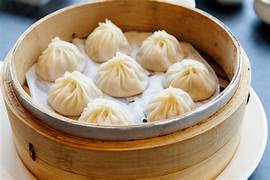
- Cantonese (Yue): Focuses on the natural freshness of ingredients with mild flavors; famous for Dim Sum and slow-cooked soups.
- Hunan (Xiang): Even spicier than Sichuan but without the numbing effect, favoring fresh chilies and smoked meats.
- Jiangsu (Su): Characterized by precise cutting techniques and a focus on seafood and light, sweet-savory soups.
- Zhejiang (Zhe): Known for its mellow, fresh flavors, often featuring freshwater fish like West Lake Fish in Vinegar Gravy.
- Fujian (Min): Often served in broth, this style uses ingredients from both the sea and mountains, resulting in light, flavorful soups.
- Anhui (Hui): Uses wild herbs and plants from the mountains, emphasizing stewing and oil-rich, hearty dishes.
- Shandong (Lu): One of the oldest styles, it favors salty flavors and "flash-frying" to keep seafood crispy.
Food as Medicine
A unique pillar of Chinese food culture is the belief that food is medicine. Ingredients are often chosen to balance "hot" and "cold" energies (Yin and Yang) within the body. For example, cooling mung beans might be eaten in the summer, while warming ginger is preferred in the winter to maintain health.
India
The Geographic Palate
The flavors of India are largely dictated by the local terrain:
- The North: Influenced by Persian and Central Asian history, Northern cuisine is rich and hearty. It relies heavily on dairy, featuring creamy gravies like Paneer Tikka Masala and tandoor-baked breads like Naan.
- The South: The tropical climate favors rice and coconut. Southern dishes are often tangier, utilizing tamarind and curry leaves in staples like Dosa (fermented crepes) and Idli.
- The Coasts: In regions like Goa and West Bengal, seafood is the star. Bengali cuisine is particularly famous for its Machher Jhol (fish curry) and its obsession with traditional sweets like Rasgulla.
The Art of the Masala
The soul of Indian cooking lies in the Masala—a complex blend of spices like cumin, turmeric, cardamom, and cloves. Unlike the "curry powder" often found in Western stores, authentic Indian masalas are frequently ground fresh and tailored to the specific health benefits of the ingredients. This aligns with Ayurvedic principles, where food is viewed as a source of physical and spiritual healing.
Street Food Culture
No essay on Indian food is complete without Chaat. From the spicy, water-filled Pani Puri of Mumbai to the savory Samosas of Delhi, street food serves as the great equalizer, bringing people from all walks of life together at roadside stalls to enjoy quick, explosive flavors.
Japan
The Philosophy of "Shun"
At the heart of Japanese food is the concept of Shun—eating ingredients at their absolute peak of freshness. Whether it is fatty tuna in the winter or bamboo shoots in the spring, the menu changes constantly to reflect the micro-seasons. This focus on natural flavor means that seasoning is often minimal, using high-quality soy sauce, dashi (kelp and bonito stock), and mirin to enhance rather than mask the food.
Regional Variations and Staples
While the world often equates Japanese food with Sushi, the country’s regional diversity offers a vast array of textures:
- The Kanto Region (Tokyo): Known for darker soy sauces and bold flavors, it is the birthplace of Nigiri-zushi and Edomae-style cooking.
- The Kansai Region (Osaka/Kyoto): Favors lighter colors and more delicate seasonings. Osaka is famously called "the nation’s kitchen," known for street foods like Takoyaki (octopus balls) and Okonomiyaki (savory pancakes).
- Hokkaido: The northern frontier is the source of Japan’s best dairy and cold-water seafood, such as king crab and sea urchin.
Structure and Balance
A traditional meal often follows the principle of Ichiju-Sansai (one soup, three sides). This usually consists of:
- Rice: The sacred staple of the Japanese diet.
- Miso Soup: A fermented soybean broth that aids digestion.
- Protein & Vegetables: Usually a main dish of grilled fish or meat accompanied by two smaller vegetable sides.
The Art of Presentation
In Japan, we "eat with our eyes" first. The arrangement of food is as important as the taste. Plates and bowls are chosen to contrast with the colors of the food, and garnishes often reflect the current season, such as a single maple leaf in autumn or a cherry blossom petal in spring.
Paragraph about Sushi:
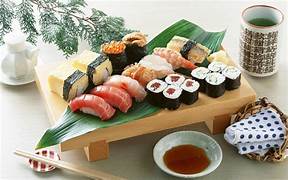
Sushi is arguably the most iconic and popular dish in Asian cuisine, celebrated globally for its artistic presentation and reliance on fresh, high-quality ingredients. While many associate it primarily with raw fish, the defining element is actually its vinegared rice, known as shari or sumeshi, which is often seasoned with sugar and salt before being paired with various toppings like seafood, vegetables, or eggs. Originating as a method for preserving fish in fermented rice in Southeast Asia, it evolved in Japan during the Edo period into the diverse styles we recognize today, such as hand-pressed nigiri, rolled maki, and cone-shaped temaki. Its popularity continues to dominate food culture in 2025 and 2026, frequently ranking as a top choice for both casual dining and high-end experiences due to its perfect balance of textures and healthy profile rich in omega-3 fatty acids.